Living on Earth, differently.
Creating and nurturing regenerative ecosystems
Living spaces where each resident enjoys their own private space while sharing inspiring commons: vegetable gardens, farm-to-table kitchens, plant nurseries, unique eco-lodgings, and many other initiatives imagined and built together.
Four forces that feed one another
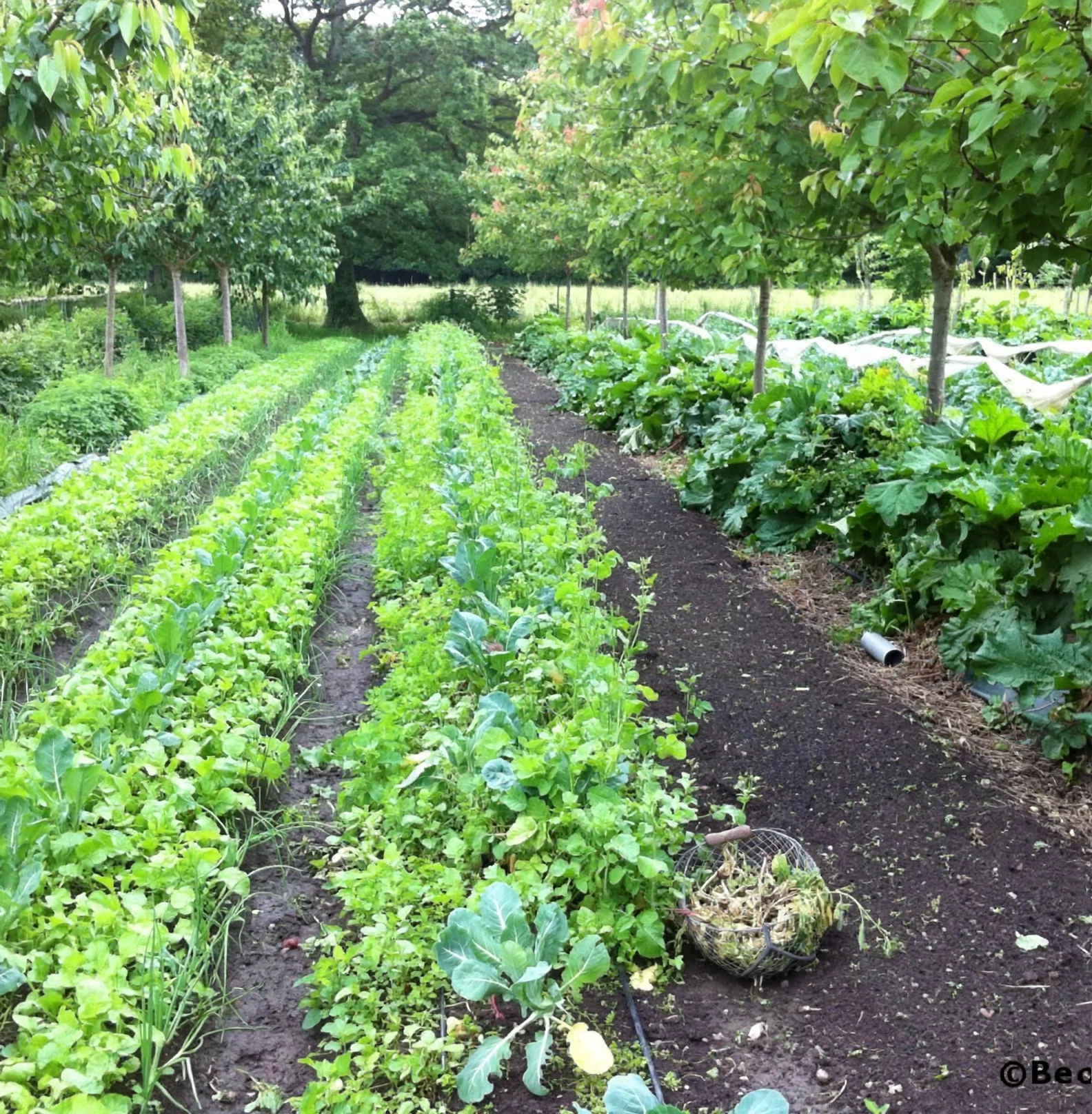
A productive hub that feeds people and soil
- Regenerative food farming: permaculture, market gardening, agroforestry.
- Local transformation: living cuisine, artisanal methods.
- A bistronomic, farm-to-table restaurant.
- Self-sufficiency: seasonal produce, preserving, low waste.
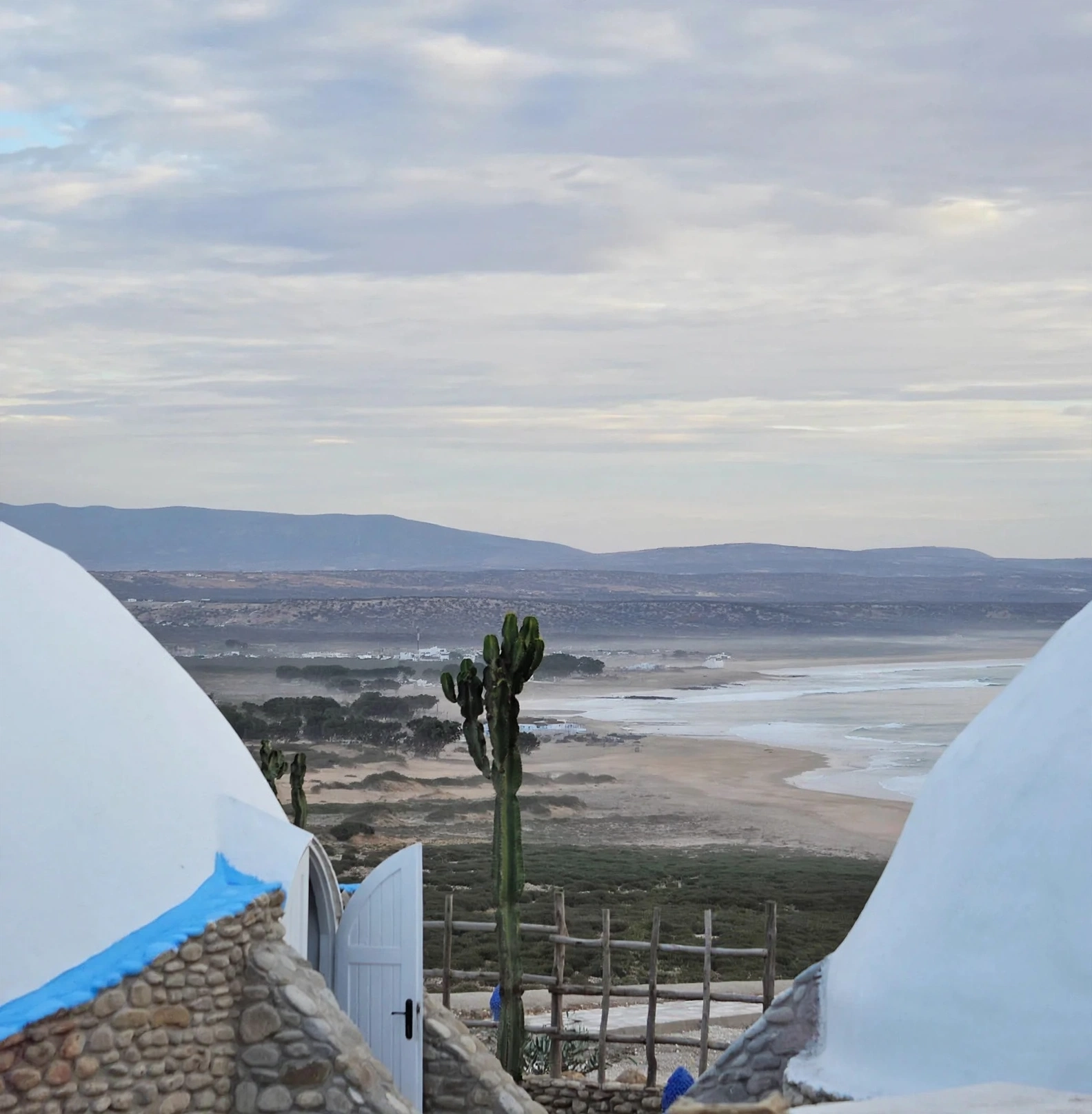
Rehabilitating spaces with living techniques
- Rehabilitation of private and shared spaces.
- Self-build and renovation with innovative ecological techniques.
- Priority on energy autonomy.
- Ogival structures in metal, covered with reed thatch.
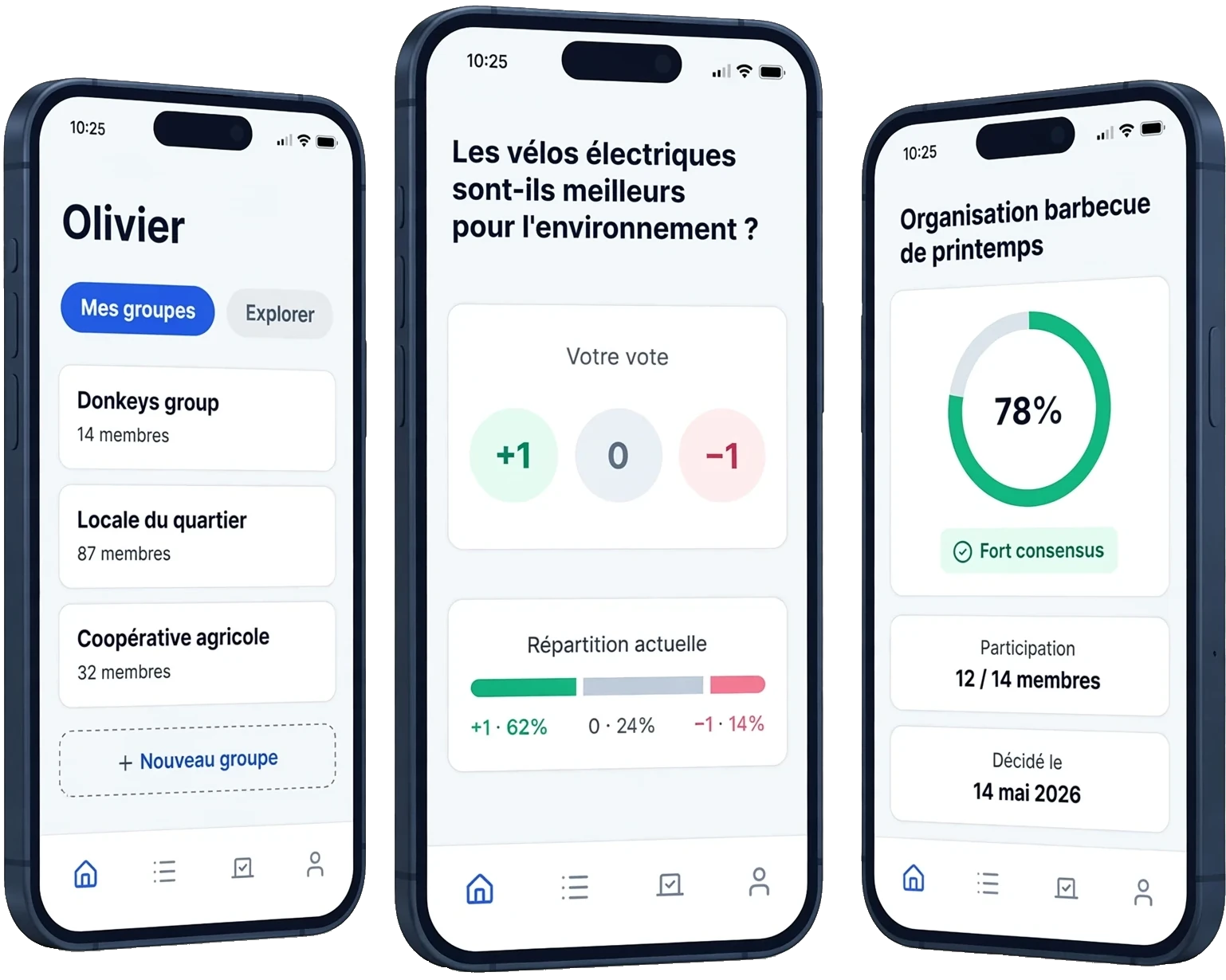
Collective decisions, made simple and transparent
- A platform to submit, vote on and refine proposals.
- Contributions are visible: everyone can recognise what others bring.
- Regular decision circles to keep the ecosystem in sync.
- Built-in conflict-mediation modules.
In BRAS, Donkeys becomes the residence's governance tool from day one, a living and documented use case.
Transforming oneself to truly transmit
- Reconnecting with the body, emotions and life energy.
- Working through life patterns and inner blocks.
- A daily thread, not an isolated module.
- Talking circles and collective mediation.
Nothing outward holds without inner change. This is the force that gives meaning to all the others.
Looking for meaning? Reach out your BRAS.
Six months to relearn the essentials. A house, a 300 m² garden, a community of eight, and a certifying training in six pillars of regenerative living, from March to September, in Mons, Belgium.
Cultivate
Permaculture, garden design, plant guilds, natural cycles.
Cook
Gastronomic vegetarian cooking from the garden. Fewer ingredients, more technique.
Build
Ogival metal structures covered with reed. Natural, durable architecture.
Live together
Collective decisions, talking circles, conflict handling. Donkeys as the tool.
Travel
Visiting permaculture projects across Europe. Open up to come back stronger.
Radiate
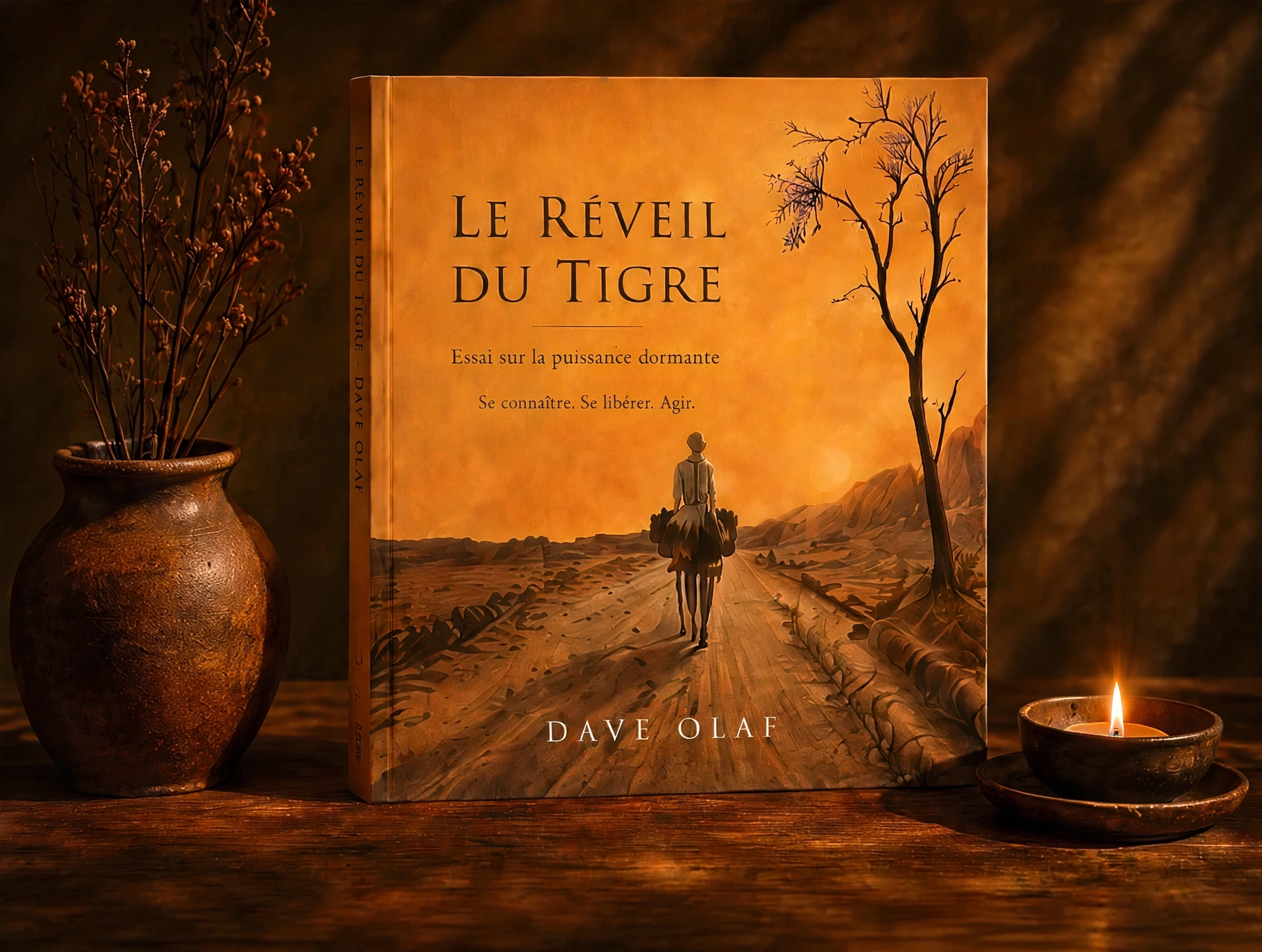
Personal development: The Tiger's Awakening. Transform to transmit.
March to September, a full cycle of life
- Arrival, reading the land, first talking circle.
- Donkeys launch: house rules co-created.
- Building the ogival metal arches.
- First sowings on the terrace.
- Laying the reed on the arches, thatch technique.
- Planting the vegetable guilds.
- Permaculture design of the 300 m² garden.
- First inhabited structure, collective pride.
- First harvests: arugula, radishes, basil.
- First collective gastronomic meal.
- Cooking philosophy: 4 ingredients, chef technique.
- First visitors: ambassadors begin to transmit.
- Full production: tomatoes, courgettes, beans.
- First paid weekend workshop, led by the ambassadors.
- Managing abundance: preserves, jars, gifts to neighbours.
- The garden covers 60% of meals.
- First trip: a permaculture project in Europe.
- Debrief in circle, then a second public workshop.
- 80% of meals covered by the garden.
- Preparing the signature workshops.
- The Tiger's Awakening: intensive personal development.
- Each ambassador leads a full workshop.
- Defining the post-Bioterra personal project.
- The garden runs on its own, autonomy reached.
- Last harvests: lacto-fermentation, preserves, drying.
- Collective review: who were you in March?
- Grand closing meal cooked by the ambassadors.
- Certification ceremony.
The programme, document by document
Five open documents: the rules, the 26-week schedule, and the garden in detail.
- The rules of living The typical day, the rules of living, and what it means to share a home for six months. See the detail
- The 26-week schedule Week by week, from 15 March to 12 September: activities, plantings, harvests. See the detail
- Companion-planting table All 45 species — which thrive together and which harm one another. See the detail
- The garden plan The garden to scale: 10 × 30 m, 33 beds, what grows where and why. See the detail
- The species calendar All 45 species across the 26 weeks: when to sow, transplant, harvest and preserve. See the detail
An exchange of value, not a transaction
Bioterra offers
- Housing: 6 rooms in Mons.
- Reaching quality skills across 6 pillars.
- Access to the 300 m² garden.
- Guidance and an international network.
The ambassador brings
- Their share of the charges: about 80 to 100 € per month.
- Their complementary food.
- Their full energy and presence.
- A 6-month commitment.
- A personal project at the close.
Real monthly food budget, April to September
The garden covers up to 80% of vegetable needs in high season. The better you grow, the less you spend.
No CV. Just five honest questions.
Why now? What's happening in your life that makes you look for something like Bioterra?
What can you do with your hands? Cook, build, garden, heal, make. Anything.
What do you want to learn that school never taught you?
How do you handle conflict in a group? Not the perfect answer, the honest one.
In three years, where do you see yourself? And how does Bioterra fit that path?
8 places maximum · Reply within 7 days · March to September cycle
ApplyYour personal project for the year ahead
Your network of 5 transformed people
Your mastery of Donkeys
An awareness that became action
Bio Terra is carried by people who have already built, cultivated and transmitted, and who chose to put that experience at the service of a living transition.
Facing the climate emergency
We chose to act concretely. Our islands of regeneration offer a grounded, sober and inspiring setting, where we rethink our essential needs to radically reduce our carbon footprint, today and for generations to come.
Facing the changing world of work
We stand for a way of life where we work less, but better, together. By cultivating meaningful activities, we create human ecosystems built on cooperation, resilience and the joy of doing together.
To leave a better world, with aware, careful and responsible actors, becoming a little more each day creators of sustainable paradises through the restoration of virtuous biotopes.
To set up participatory eco-villages on arable land to be reforested and cultivated following permaculture principles.
Collaboration
“because it is together that we will succeed”
Autonomy
“everyone is responsible for their choices”
Respect
“when individual freedom agrees with that of the group”
Creativity
“because everything is possible”
Commitment
“these are strong choices for our destiny”
Builders of transition
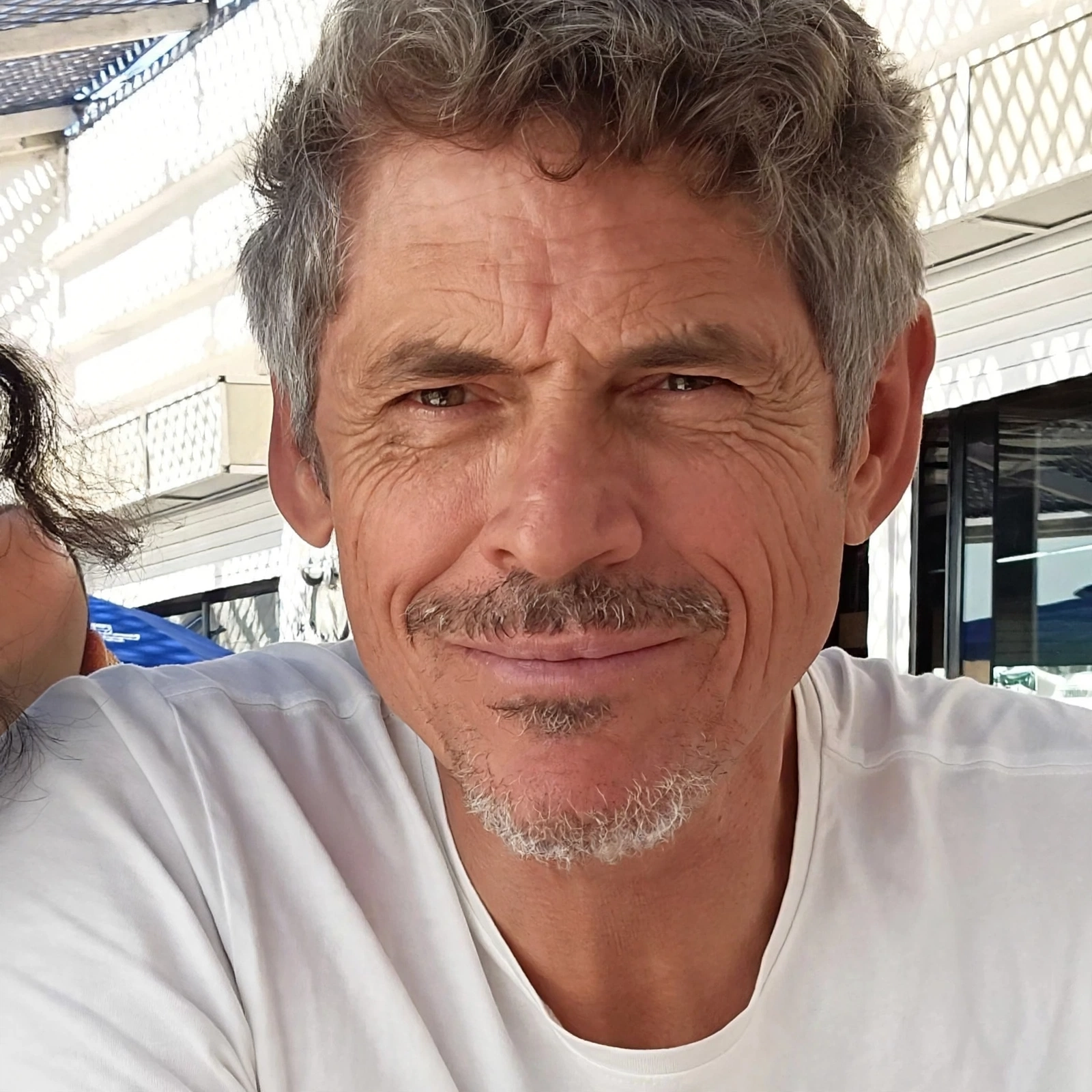
A management engineer, he founded Les Tartes de Françoise in 1997 and grew it into a Belgian reference (150+ staff). In 2015 he turned to light, ecological living, including an eco-lodge in Morocco (davmahal.com). From his search for a more living democracy, Donkeys was born, the collective-decision tool at the heart of Bioterra.
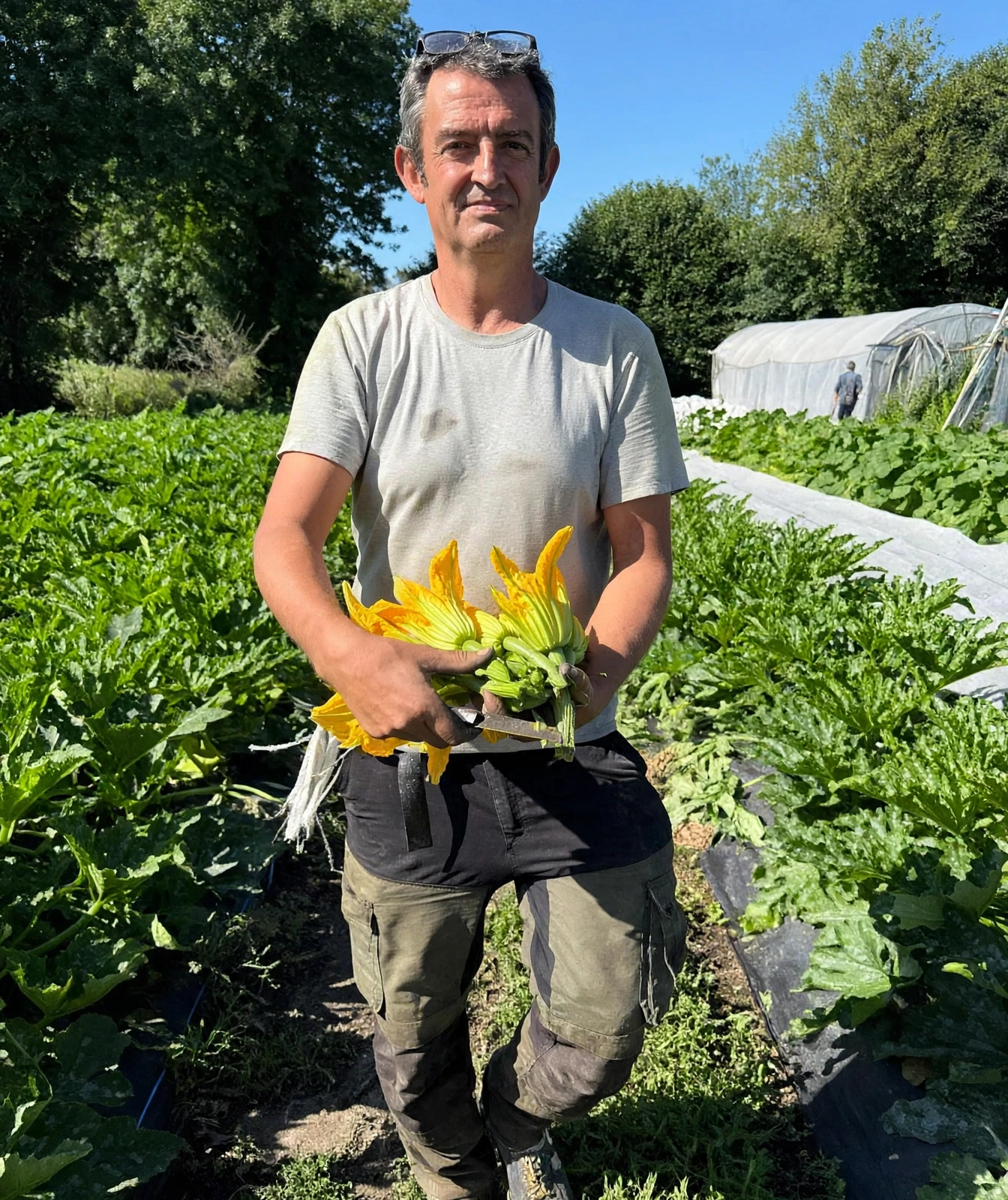
An economics (ULB) and management (Solvay) graduate, he co-founded the social cooperative Cycle Farm in 2015. A SPIN-Farming expert, he trains and supports many farming projects and teaches urban market gardening. Thirty years of Aikido feed his rigour and balance.
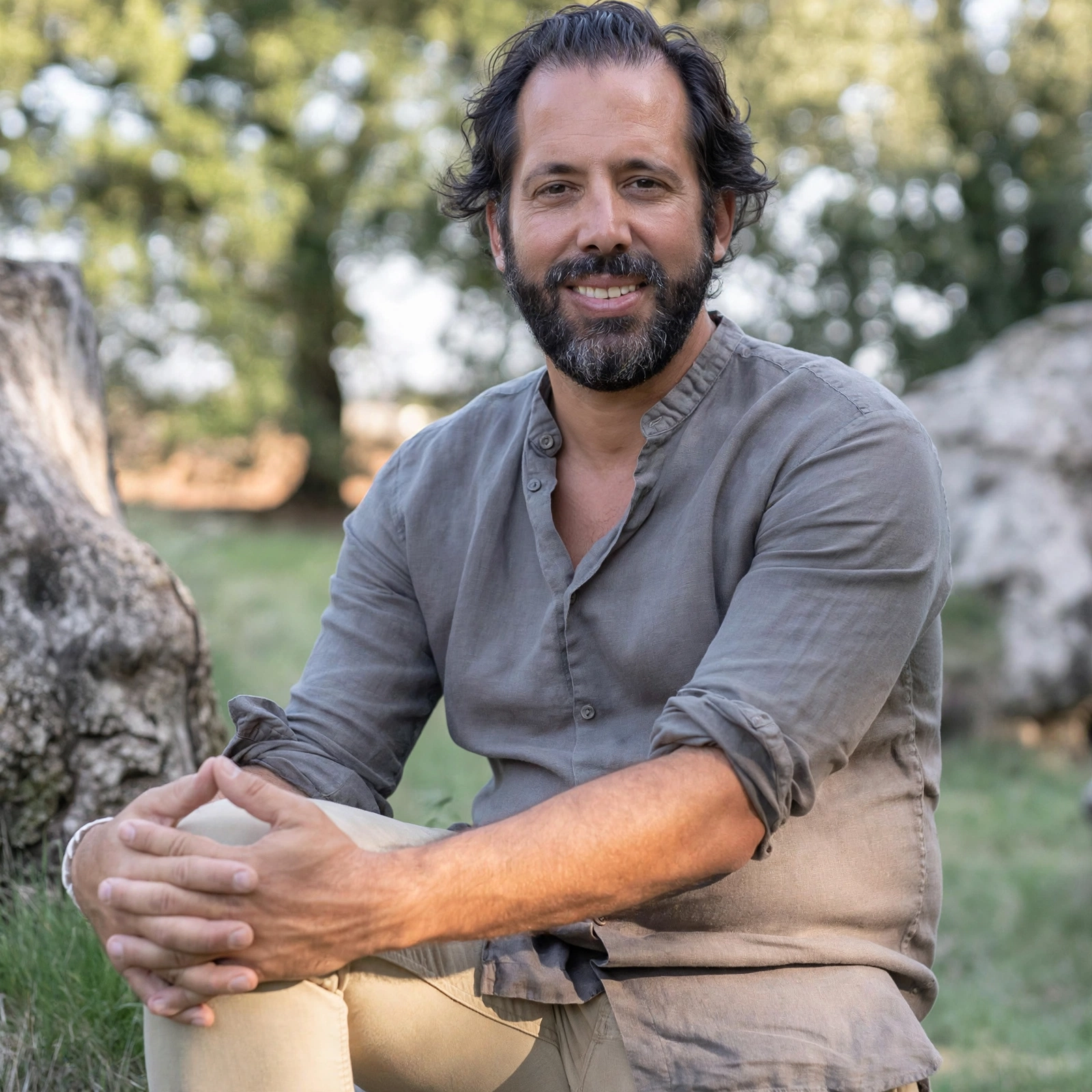
For over 15 years at the crossroads of eco-construction, permaculture and water management. Co-founder of PermacultureDesign (120,000+ subscribers) and founder of Écopreneur, which has supported over 1,300 regenerative entrepreneurs. He embodies a transition where ecological impact meets economic viability.
Around them, a wider circle of fellow travellers: Laurent and Myriem (eco-construction architects), Jean-Claude (design and bold structures, Rabat), Fabian (farmer, design and culture), Yasmina (food and interiors) and Rachid (eco-dome specialist).
Three ways to take part
Support us
A donation helps us transform a place, a garden and lives. Open accounts, full transparency.
Make a donationBecome a partner
Institutions, networks, permaculture projects: let's build the network together.
Get in touch